The Members
The Problem
First responders are dealing with workplace mental health injuries at an extremely high rate. For many, these injuries are life altering and debilitating. Because these injuries are "invisible" and the problem is poorly understood, this health crisis has been slow to receive the attention needed to address it.
About 30% of first responders have PTSD. The rate in the general population is 4%. Members also suffer from anxiety disorders and depression, often concurrently with PTSD. In some organizations in Canada the number of members dealing with mental health injuries caused by their work approaches 50% of the workforce.
If this was a physical disease caused by a workplace exposure, there would be an outcry to fix it. When construction workers were exposed to asbestos, or firefighters were being exposed to contaminants at a fire scene, significant steps were taken to prevent the harm. Little has been done so far to protect members from the mental health harm by being a first responder.
The typical person is exposed to 4 or 5 events in their life that they find traumatic. The typical police officer is exposed to between 100 and 400 events in their career. My belief is thatthis exposure is similar for other first responder professions. The impact of that exposure needs to be addressed.
Even from an investment perspective, to have highly trained members injured and requiring medical leave, perhaps permanently, is a serious issue for first responder organizations.
What can be done about it? Members will need to keep going to hard calls and the trauma members experience will continue to be impactful. But there is a lot that can be done to address this health crisis. There is preparatory work to be done before the member goes to that hard call, then teaching members how they process trauma when it happens, and finally, in providing the support the members need after.
First responder leaders need to do what they can to change this story. The problem is complex and isn’t cured by simply adding a new support position or one new mental health program. Like solving a serious crime problem, the solution will require you come at it from multiple angles. Determine how things should be in your workplace and keep pushing until that vision is achieved.
The Four Wolves at the Door
There has been a tendency to focus on trauma as the culprit that causes member's mental health injuries. The reality is more complex and layered. The causes can be divided into four categories:
-
![Person in red coat loading an orange stretcher into the back of an ambulance.]()
Trauma
Trauma is a deeply distressing or disturbing experience that overwhelms an individual's ability to cope, leading to lasting emotional and psychological effects. It includes a threat to a member's life, or having to take a life. It includes witnessing someone's suffering or horrible circumstances. It can also be referred trauma. 911 call takers have a higher rate of PTSD than members on the street, even though they never witness the event.
Handling Trauma
In the Moment: There is lots we need to know about how our body reacts so we can remain able to make critical decisions in the midst of an event that has triggered our fight or flight response. We need to put in place strategies to perform well under stress. In policing we train members with stress inoculation, and many members use "combat breathing" to bring their heartrate down and keep their frontal cortex engaged.
After: The dump of hormones into your system from your fight or flight reaction has affected your nervous system. If the experience was harrowing or horrible, you need to let your body fully react to what just happened. Your memory of the event will be fractured and incomplete. Give yourself space to begin to piece it together into a narrative, including input from all your senses. You might find you are shaking or crying or wanting to yell or needing to move to run off energy. Don't stop yourself. Let your body work out the limbic reaction as much as possible.
The Next Week: You can expect nightmares and intrusive thoughts for the next week after a serious event and more if you had to take a life or witness a horrific tragedy. Be self-aware about how you are doing. Understand that you need to recover and that your brain may need to sort through what occurred and that can be messy. If you know right off that you will need help it is good to start that process now. If you find after a month that you have not recovered, it is time for professional help.
-
![Digital illustration of a blockchain network with interconnected nodes represented by transparent purple square frames connecting to central dark brown square nodes on a light blue background.]()
Organizational Stress
This category is a catch all of the various pressures that occur within organizations. At its worst, it is caused by harassment and bullying. But organizational stress includes everything from staffing shortages, to difficult bosses, and systems like promotion or transfer competitions that appear to be unfair.
Being a part of any organization will come with some amount of organizational stress. The more intense and stressful the work, the more the potential for this stress to increase. Our members work in teams and teams can have all the potential for being overly competitive, with one upmanship, bullying, and toxic humour occurring. First responder organizations can be large and feel impersonal, leaving members with the sense that they are not valued or appreciated, when a posting, a course, or a promotion is denied. A member, who feels that they were treated poorly may never recover from that experience, believing that they are not in a fair or supportive workplace. They may pull back and isolate. Unfortunately, a person hurt by organizational stress can be very vulnerable when trauma hits. Again, if the organization responds poorly to an event that traumatized the member, the member will feel isolated and may have few resources to draw on.
-
![Frustrated woman with hands on her head looking at a laptop screen on a wooden desk, with glasses, a smartphone, a mouse, and a mug nearby.]()
Burnout
Definition: Burnout is chronic workplace stress that has not been successfully managed. It is characterized by three dimensions:
feelings of energy depletion or exhaustion;
feelings of negativism or cynicism about the workplace; and
being numb and feeling like there is nothing left to give.
Burnout results from pushing too hard in the workplace, not taking breaks, feeling pressed to keep going while feeling unable to keep up with the demand. It can result from a person's perfectionistic mindset, or from the actual workplace demands placed on a member. There are effective strategies to help prevent and manage this form of stress, starting with learning how to say the word "no".
Unfortunately, a person in this state is also vulnerable to the effects of trauma, as they do not have the resilience to walk through a difficult event.
-
![Two police officers riding horses on a city street, wearing helmets and black uniforms with police badges.]()
Long-term Toxic Stress
This one will be more associated with policing than other first responder work. It is something I observed too often while practicing law. A member gets involved in a pursuit or a shooting where things may have gone poorly. As well as trauma from the event, the member is placed under investigation which may take one, two, or three years to complete. Then the file may be passed onto Crown counsel who can also take years to decide if charges will be laid. If charges are laid, add another 18 months before the trial even begins. The same happens with police discipline cases, which often run parallel to the criminal charges. I have noted this happening in circumstances where I believed the member had acted heroically. This stress not only impacts the ability for someone to be present at work or in family, it causes serious harm to health. Stress breaks down the body's systems. It makes people seriously ill.
Of all the four "wolves" this one confounds me the most. It is hard to find effective strategies for helping someone deal with it. The best I can suggest so far is to acknowledge what is going on and to address the ongoing stress by everyday doing all you can to stay healthy in yourself and with your relationships. Again, engaging a therapist to provide feedback and strategies might be needed.



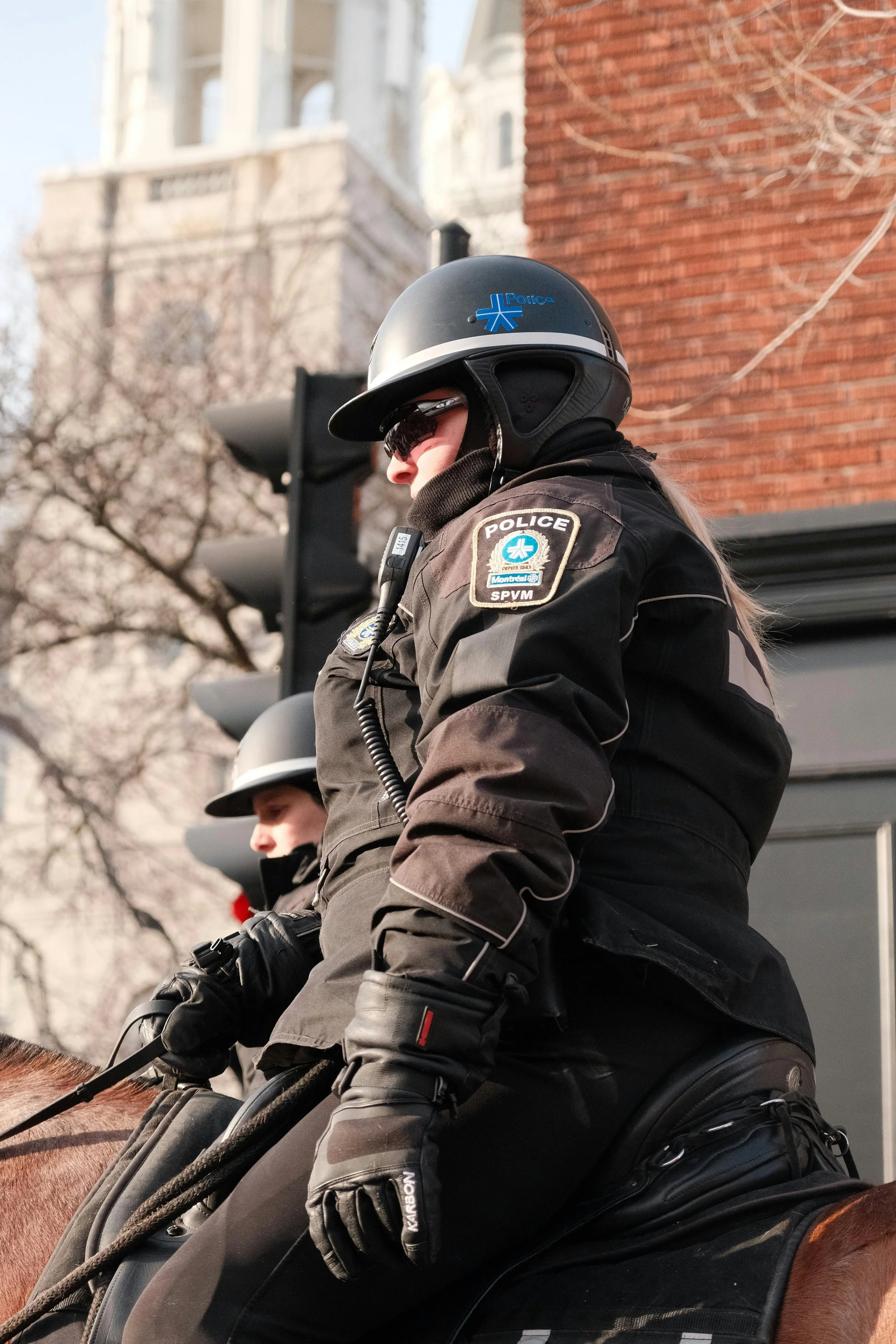

The Stress Wheel
We, to some degree, divide ourselves up into different parts of our lives. We act in a certain way when we are part of a family. When we show up at work, we likely take on our work persona. We may even try to wall things up between the different parts of ourselves. But whatever partition we might try to erect, there is only one brain inside your head, processing the various stresses you experience. You may say you leave work at work, but if the day was bad, it is right there when you lie down for the night. We are affected by events in all areas of our lives and we have deal with, at various points, all kinds of stresses to stay well.
If your personal life is in turmoil, you are not going to be able to focus in at work. A traumatic event will hit you hard as your resilience will be low. The combination of high levels of organizational stress and trauma is responsible for many members being injured and needing to take time away to get help.
The stress wheel – You need to be aware of whatever is causing stress in your personal and professional life (part of being self-aware). Take stock, so you know what you have to face into to stay well.
Be Aware of Your Mental State
The Road to Mental Health Readiness program included a self-diagnostic tool. This chart can help you see how you are doing. If you are veering to orange, take action. When you hit red, it’s time to seek help
What Can Be Done?
People seem to approach life in two different ways. There are those who believe that life just happens to them, and there are those who believe they have control of their lives. The truth is, of course, more layered and complex than that. However, leaders need to lean into the idea that they have some control over what happens. They need to believe they can change the status quo. Make things better. They need to be unhappy with the way things are.
I listened, while attending workshops, to speaker after speaker talk about how to help people with PTSD. It has been rare to hear someone talk about how to prevent the injury. The assumption seemed to be that getting hurt was inevitable for that person, and the best we can do is to say, "thanks for your service", and try to treat the wound.
A leader does not accept that there is nothing to be done. Although we are still learning, there are things we can do now to prevent members from being hurt by their work.
Let’s Start With Prevention
The prevention strategies fall into two main categories:
Personal Skills: Teaching members to build their resilience and to process their trauma when they get hit with it.
Supportive Workplace: A workplace where organizational stress is reduced, negative behaviours are dealt with, and positive supports are the norm.
What a member faces out on the road is hard to control and will be sometimes be awful. But when that member comes back to the workplace, it should be a safe place where they can take off their emotional armour and be supported.

What is PTSD?
Post Traumatic Stress Disorder – an anxiety disorder of the nervous system caused by an experience or experiences of trauma. The disorder exists if the symptoms last for more than a month. This disorder causes measurable changes in brain structure, chemistry and activity. One of the body’s main systems is out of whack, and will need help to get back into a normal range of functioning.
A normal person responds to stress with their anxiety rising within a normal range and returning to base once the event is over and they are able to recover. Someone with PTSD often lives with their base level already much higher than a normal range, and that stress level is easily increased further by anything that triggers a connection to the trauma (sight, sound or even smell). Living at this elevated level of anxiety can be completely debilitating.
I have often asked a client, going through a hard event, how they slept the night before, as a quick gauge of how they are doing. Not only does an elevated stress level disrupt sleep, but often the person with PTSD is often dealing with intrusive thoughts, nightmares and even flashbacks that make normal sleep impossible.
Typical Symptoms
The DSM IV (the Bible of mental health disorders) sets out the criteria and the most frequently noted symptoms used to diagnose the disorder.
-
This could be intrusive thoughts about the event, nightmares, or even flashbacks, where the person actually feels like they are back at the incident.
-
Avoiding the location of the event, an object, a sound or even a smell.
-
Not surprisingly, depression often accompanies PTSD.
-
As set out above, sounds, sights or smells cause the member to have a fight or flight reaction, as if the member were in danger. Part of the problem is, once the adrenal gland releases hormones into the body, it takes hours for that to wear off. Long term, it appears that PTSD can also be damaging to physical health.
Treatment Works
Psychologists and counselors who treat people with operational stress injuries leading to PTSD use several treatments. There are also some medications that can assist in some cases. Treatments include:
-
PE involves repeatedly exposing the individual to trauma-related memories, feelings, and situations to help them process the trauma and reduce their fear response
-
EMDR helps individuals reprocess traumatic memories by using guided eye movements or other forms of bilateral stimulation, allowing them to process the memory in a less distressing way.
-
CBT focuses on the connection between thoughts, feelings, and behaviors, helping individuals identify and change negative patterns that contribute to PTSD symptoms. It might look like a belief like, "If I had taken a different route to the call, the car accident would not have happened, so I am to blame." The therapist might have to help the person work through accepting and understanding that they are not to blame.
These kinds of treatments work. It is not magic and nothing weird happens during therapy. It can be very hard and difficult work for a member. It takes courage to retell hard stories the member would prefer to bury and forget. Most members greatly benefit from treatment. The sooner the better, but it is never too late to start.
Prevention Works
Think about heart health. Western medicine is amazing. So many problems with the heart can now be repaired through surgery. Blocked arteries and damaged valves can be replaced. But have we focused enough on teaching people how to avoid having blocked arteries in the first place? Should we have our members assessed to see if there are issues developing? Do we even make sure our members know their cholesterol numbers? First responders, for many reasons, from dealing with high stress to shiftwork, are more susceptible to heart disease. This is an area where we could make a small investment in our members that would prevent many of them from ever getting sick.
What we also need to grasp is that the same prevention strategies also applies to PTSD and other work-related mental health problems our members are dealing with.
Member's Resiliency
Members, who have their own resiliency plan, who stay fit and active, and have solid personal lives with meaningful supports, are more ready to handle a difficult traumatic event.
Members who learn how to process trauma when it happens, minimize its impact on themselves, as they face into what happened, and do what is needed to get through the first week.
Members who get need professional help as soon as they don't bounce back, have the best chance to be successfully treated.

The Supportive Organization
How a person is treated in the workplace, when the hard call happens, or when they are facing a personal crisis, will greatly affect how they come through it. One psychologist described for me how two members, in the same organization, were treated by the members of their team. One could not share anything with the team. It was not safe. The other was able to tell the team about their struggle and felt fully supported as they worked it through. The difference to their recovery was night and day.

A Member's Response to Trauma
My first call as a rookie was to a sudden death call. An elderly male who lived alone had died as he struggled to climb back up into his bed. He was frozen there on his knees with a desperate look on his face. His sister had found him and called us. She was obviously upset. My field trainer launched into all the steps I needed to follow to handle this call properly. His instructions were correct and thorough and, at the same time, totally devoid of any emotion of connection to the situation. I began to learn, then and there, two unspoken strategies for handling something like this call. One was numbing and the other was to use the canister.
Numbing
A member can numb their emotional response. We all learn how to do it. I can push down any feeling. I can focus on my job and show only my tough exterior. It worked well. What nobody happened to mention was that numbing is not selective. You numb fear, horror, or grief, you also numb joy, contentment and pleasure. Not a great strategy unless you were planning to become a robot.

The Canister
The second related strategy is to not process what you just experienced. You don't talk about it with anyone afterwards any more than you have to. Instead, you open up your internal canister, place the memory inside, and put the lid on. Forget about it. Again, this strategy works. Or, at least it works for a quite a while. My best guess is that members using this strategy can get to about the 10-to-15 year mark. Then something weird happens. They open the canister and what's inside has become a witch's brew. As they try to place one more event inside, the whole thing blows up . They can’t figure out why that last event has taken them down. Truth is, it didn't. It was just the last straw.


A Member's Resilient Plan
This applies to anyone reading this Primer.
Do you have your own resiliency plan, where you actively take steps to stay well?
Like a physical fitness plan, each person's plan needs to be tailored to what they need. But like physical fitness, there are common pieces that need to be included.
Some areas to consider as you work on your plan and mentor others to do the same:
-
Members come to the job carrying childhood trauma. That anyone carries this is unfair, but for their own sake, they need to deal with it. Members with unresolved trauma are easily hurt by hard events at work. To become resilient, this trauma needs to be treated.
-
One of the first things you need to figure out when you get hired is how to get enough sleep. All first responders work shifts. It is a 24/7 vocation. This is hard, but you have to find a way to make this work. Research options and develop strategies that work for you.
-
We are one person and our brain is part of the whole body. When our body is fit, our brain can be as well. We know that exercise helps fight depression.
-
Stay grounded in the real world. Go on nature walks and hikes. Get outside.
-
Develop and maintain a close circle of friends and family that support you. Invest in healthy friends and let them invest in you.
-
Have outside interests and friends who are not members. Keep perspective. (Avoid burnout)
-
You do not belong to a perfect organization. There will be people there willing to do whatever to advance themselves, even if it is at your expense. There will be systems that are unfair. Remember why you are a member. Remember why you do what you do. If you need to stand up for yourself at work, do it, but do it wisely and with support. If you need to forgive someone at work, do it. You will stay healthy by letting things go.
-
Do you truly grasp that what you do matters? Your work has real purpose in what you do for others in the community. It is not about your organization, it is what you bring to people who need help on their worst day. Further, do you have an understanding of the world you live in? I believe in the existence of evil, and so when I encounter it at a horrible call, it, at least, fits into my world view. Consider the spiritual side of your life. What do you believe? Having that worked out matters in how you process what you are dealing with.
I encourage you to write down your plan for how you will stay well and every few months review and revise as needed. Mentor your members to do the same. Coach members with unbalanced lives to work on building their resilience.
Building a Supportive Workplace
This one is in the leader's hands to make a reality. You can only encourage your members to look after themselves, but you can greatly influence the workplace culture to create a supportive workplace.
Given what we now know, it is essential for your organization to make this is a reality. The goal is a workplace where bullying and harassment are stopped and replaced by members who are encouraged to look out for each other. I used to remind members that there will be enough people hating us when we step outside, the very least we can do is look after each other.
-
A member attends a SIDS call. It is an unfortunate medical incident. In one sense, this call is often over before any first responders can arrive on scene. Yet, the incident is the worst thing that can ever happen to a young family. Your members respond to that call. What happens when they return to the department or the station? Do they joke about it or do they pretend it was no big deal? Do others tease the member who tripped going up the stairs at the call? Or, do they get real and figure out how much trauma members are dealing with and how they can help each other? The difference has real consequences for every one of the members.
Leading Through Trauma
When your members experience serious trauma (when, not if), your job is to support them. This response will depend on the circumstances. Where a member has had to use force, especially lethal force, they need to removed from the situation as soon as practical. Assign someone to be with them and give them what they need. Do not allow an investigator to question them while their memory is still fragmented. Get them legal counsel so they are not tripped up by the investigative processes. As a leader, show up and provide support in person.
Consider what kind of debriefs should be held to help the members. This is a tricky area and how it gets done may need to be thought through in each case, depending on the circumstances. Bring in the right trained person to hold the debrief.
When we had a number of members affected by one awful event, we found it helpful to bring in trauma experienced psychologists the next day, and set up one-on-ones for anyone who needed it.
Support needs to be long-term. We tend to move on, forgetting that our member is still working through the hard event. Set up a system to make sure the right person is checking-in and supporting the member.
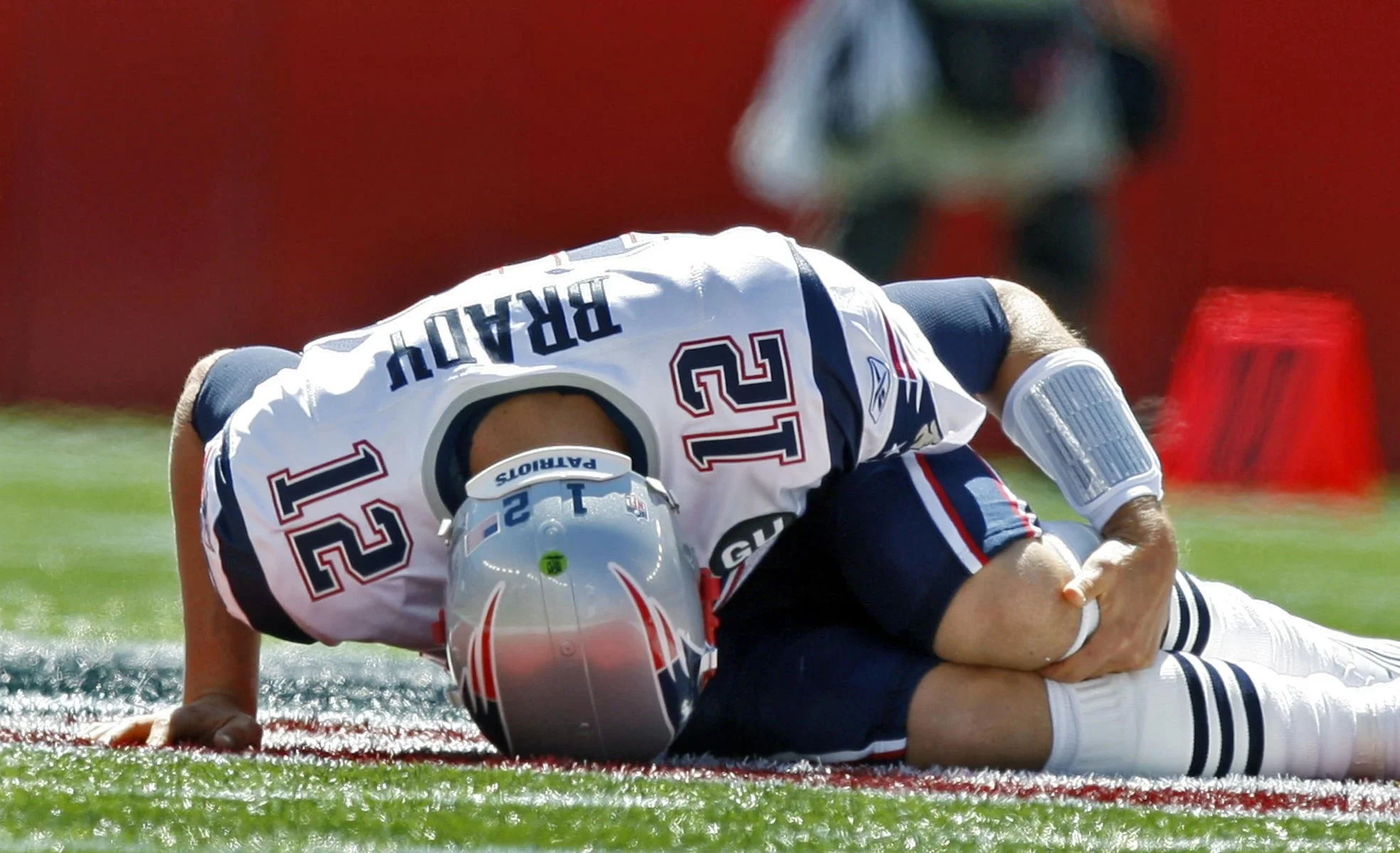
TAKE A KNEE
There will be times where the operational stress injury that a member receives will knock them down. The critical incident they responded to might have been overwhelming, or it was the last straw in a series of hard calls for them.
In football, when a player is hurt, they go down on one knee. The team trainers come out onto the field and assess the player. The player has to leave the field for at least one play. The player is assessed and, if it is something that can be dealt with, they are treated and then cleared to go back out and play. If it is more serious, the player heads off to the locker room and is assessed for whatever treatment is needed. The point of the process is to care for the member so they can play again, that day or when they have rehabbed their injury.
Cst. John Davidson
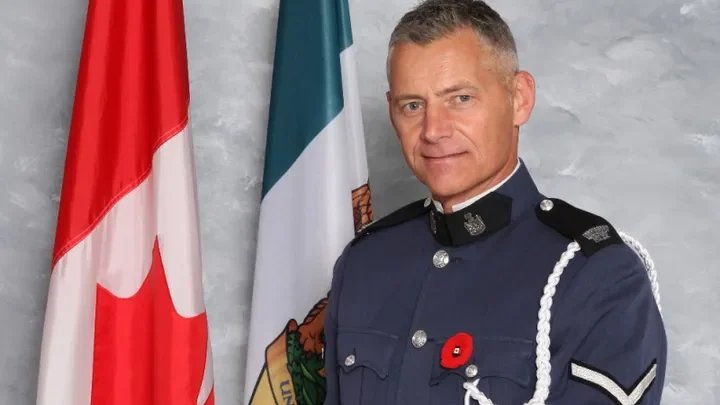
On November 6, 2017, Abbotsford police Constable John Davidson was murdered in the line of duty while heroically protecting the community he served. The suspect vehicle was very quickly hunted down, the vehicle he was in was rammed, and the suspect was taken into custody by our members. Hundreds of police officers from other agencies immediately rushed to Abbotsford to help us. What they did allowed our members to stop and take a knee. The shift that was working that day was able to take a week away from the job. Other Abbotsford members were teamed up so they did not work alone. When it came time for us to attend the service for John, again members from other police agencies replaced our members, so all of us could attend. Our goal, as we tried to come to grips with this event, was “No Number Two”. We needed to try to be there for all our members to help them through. Whoever needed to take a knee was encouraged to do so. We did not want to lose another member to the operational stress injury that many of them needed to work through. After having a horrible year in 2015, we had some idea of what it would take to support our members and make this goal real. We did not do this perfectly, but having it as our immediate focus did make a difference for our people.
When I spoke at John’s service, I did my best to honour John. He was an amazing person and police officer who had served the youth in our community so well. At the end of the speech, I had the chance to speak to the first responders in the room about how they were doing.
Here is what I said:
A Charter?
In my work leading an organization I came to understand how critical it was to have a functional leadership team. More than once, when things seemed to be off track, I would reiterate how I expected them to be with each other and with me. I would say there was no requirement that we hug or have a love-in. They didn't need to be friends, but they had to work as colleagues with no subterfuge or backroom subplots.
Dysfunctional teams fail at completing the mission.
Dysfunctional team members don't look after each other and can cause hurt to other team members.
It matters to both the mission and the members that the team leader continues to strive to have a functional supportive team.
At both the VPD and APD, I asked my team to create a charter to help achieve this goal. A charter is a team's social contract, setting out how team members will engage with each other. In each case, the team met for a few hours and discussed what should be in it. We tried to get beyond general words like, respect, or support. We worked to make our commitments concrete and specific. Each team member signed the charter and we kept it on hand to check in and see how we were doing.
I found that the most important "clause in the contract" was about the one thing that has plagued organizations for all time: gossip. Talking about another team member who is absent. We agreed that if you had a concern about a team member, you had to say it to them, and not about them. This is the basis for building trust in a team. Now, the charter is not some panacea. Some members still talked about team members when out of ear shot. But it did help push the team towards being a functional team. People knew what we were striving for and why. We had to keep at it for this to work.
The Courage to Confront

In getting a team to be supportive, the leader needs to have set out the expectations for how that team is to function. When you take over leading a team, there is an opportunity to set the tone. Members should know what you expect and what behaviour will not be tolerated. Clarity helps them do well.
The goal in leading is, whenever possible, to use positive encouragement and healthy communication to influence the team to achieve the mission and care for each other.
But unfortunately, one more thing is needed. There are going to be members on the team who will, for reasons of their own, work to sabotage the way the team functions. There will be members who are so cynical that they will dump on anything that reeks of hope. You may have a member who has no idea that they are causing havoc for the team.
The leader has to confront this behaviour. This part of your role is about as much fun as pouring iodine into a deep slice on your finger. Taking this on will lead to sleepless nights. Rule one is to praise in public, and criticize in private. Do not berate the person or bring up the behaviour while they are sitting with the group. Sometimes, the member will just need their behaviour brought to their attention. Many times though, the person will resist change and will tell you it is your problem or that someone else on the team is the real issue.
There is lots of online training available on having these hard conversations. If this is new to you, spend some time learning how to do this and then create a plan for holding the meeting.
Be careful. Many times, the person once confronted, will claim that you are harassing them. If the potential exists for this to occur, make sure others in the chain of command know you are working on the problem and why. In such a case, having a second person in the room for hard conversations will be important. If there are reasons the union may need to be there to assist the member, consider including them.
Expect to do follow-up on this issue with the person. Eventually, if the problem persists, you may have to elevate the response, and let the organization's discipline processes take over. Please do not give up and just let negative behaviours continue.
Building an Organizational Wellness Plan
Your members are the most important asset in your organization. Planning to keep them as well as possible makes sense at every level.
Doing this well is about using those change management principles.
-
![Paramedics providing CPR to a man during an emergency medical situation.]()
Where Are You Starting From?
You can use employee surveys and other tools to establish your baseline.
-
![Two police officers smiling outside in uniform with hats, sunglasses, and police gear, standing in front of a building with a Canadian flag in the background.]()
What is the Goal or Vision?
Aim to have as many members as possible staying well and thriving in their careers and lives. Don't make this just a program or set of activities. A new program can contribute to success, but it is just part of the strategy. The vision is healthy members. Ensure you measure whether or not you are succeeding.
-
![Firefighters in protective gear with breathing apparatus]()
What Steps Should You Take to Move Towards the Goal?
In change management, buy-in is critical. You need to involve frontline members and staff from all over your organization to be part of the wellness team that develops the plan.
Find champions in your organization and engage them.
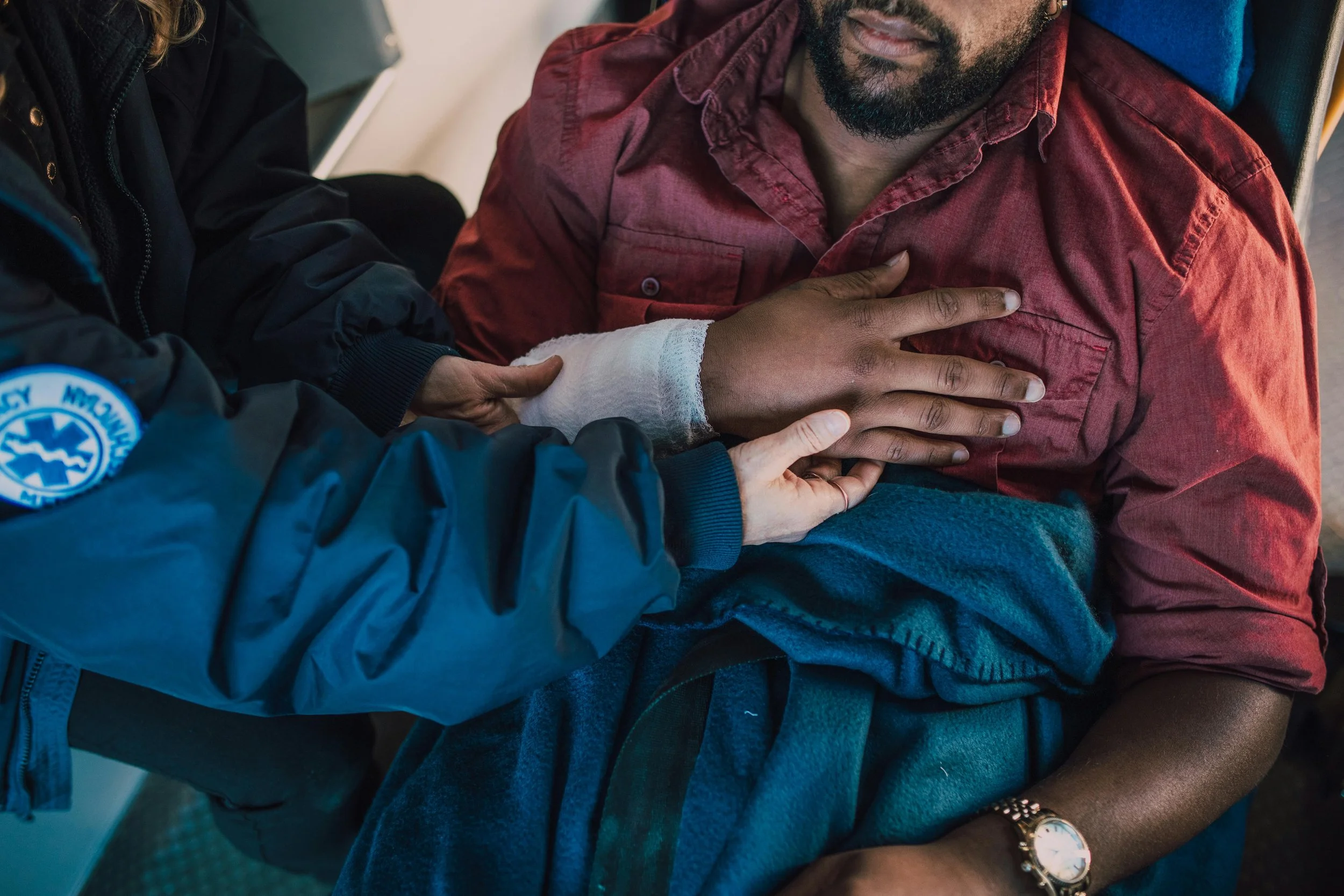
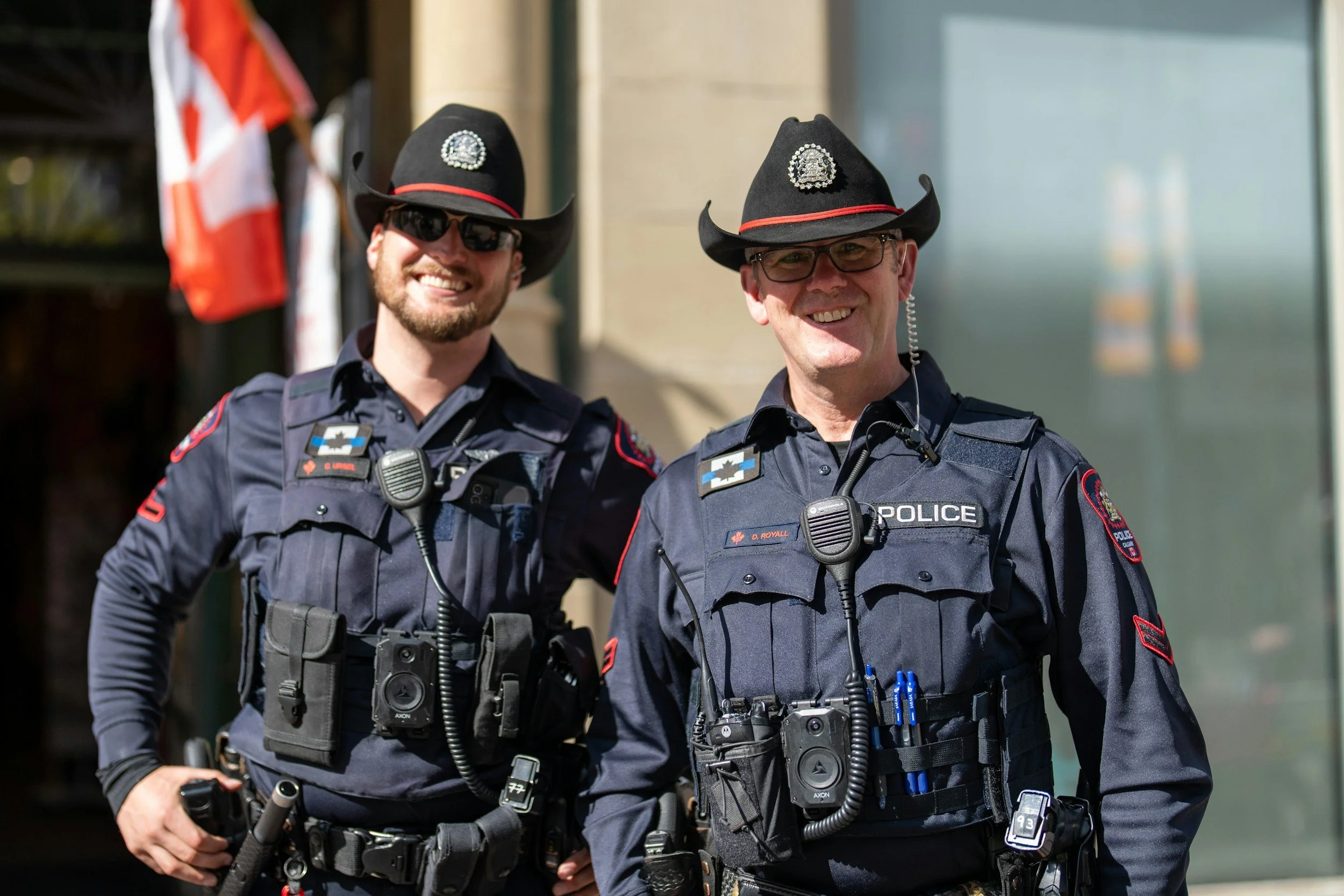
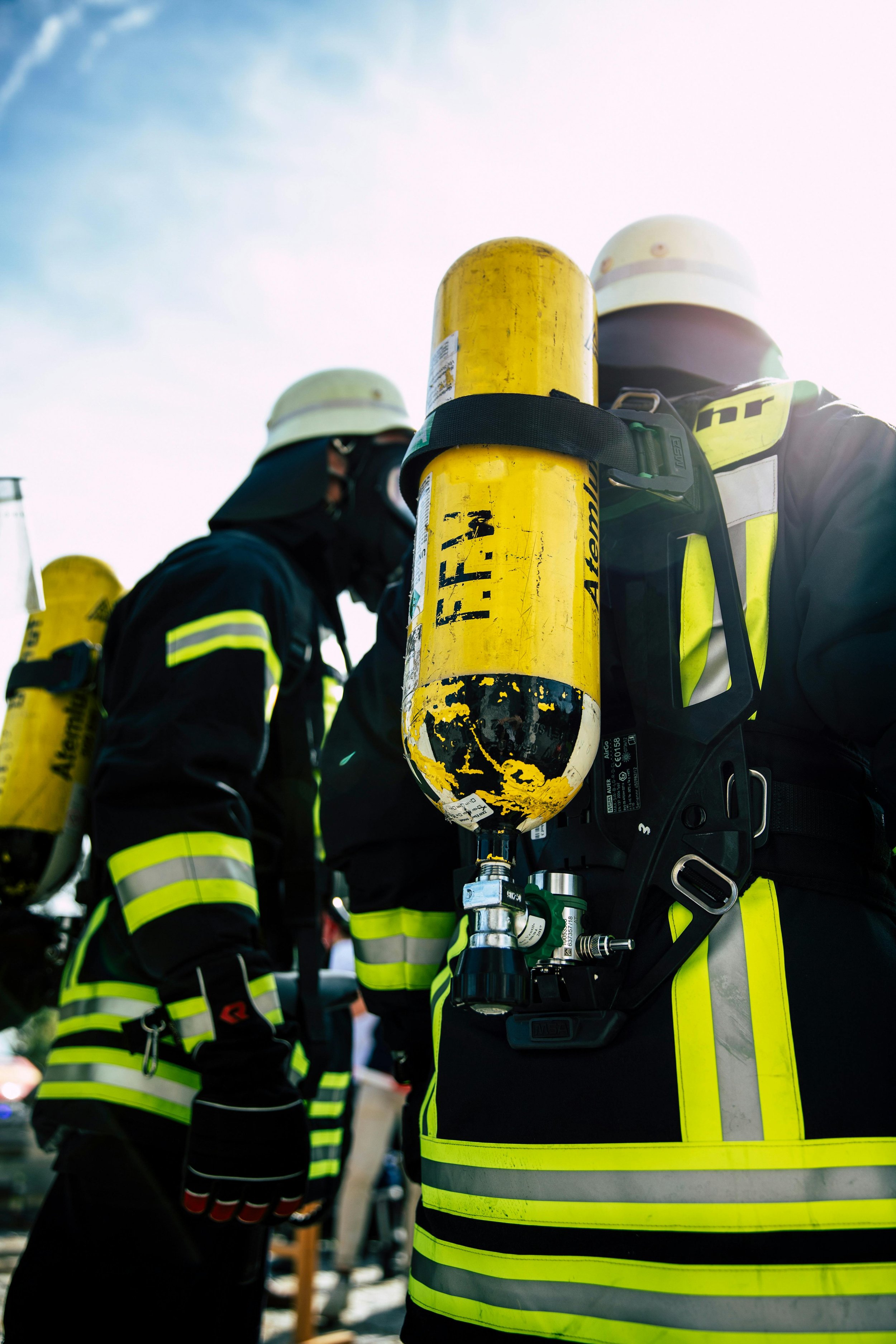
At the APD, when we decided to do this, we committed to doing three things per year to move towards achieving our objective. Our first step was a mental health survey that told us how our members were doing. How many had PTSD? How many members were dealing with other anxiety disorders or depression?
One other significant step that we put in place was that each member, civilian and sworn, had an annual session with a psychologist. We called it a check-up. This was done by psychologists hired on contract who had a professional commitment not to talk to management about any member, unless there was a life-threatening crisis. It was not a management assessment. It was for the members to see if they had things sticking to them that needed to be addressed. It also got members comfortable with the idea of asking for professional help when things got tough.
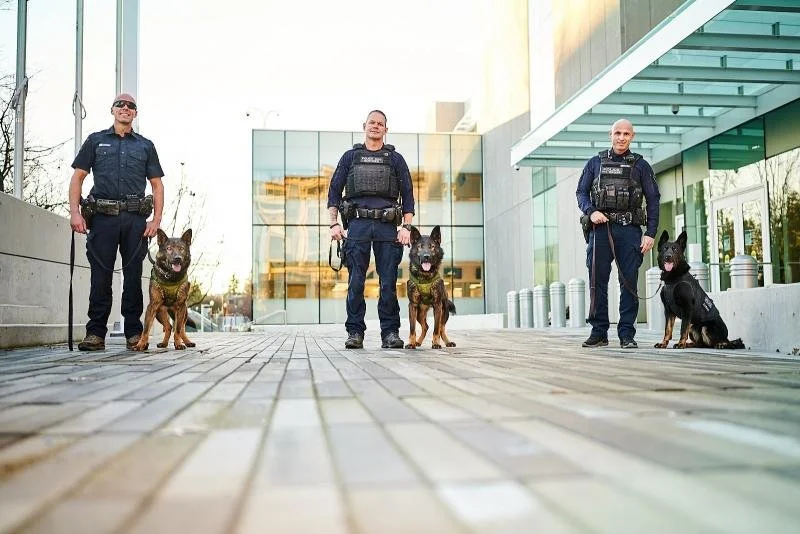
A Leader Who Cares Matters
I have watched leaders decide to make a difference for their members. They encountered obstacles like budget or organizational policies that were beyond their control. Instead of giving up, they found things they could change. What their members saw was not a leader who could make things perfect for them, but rather, a leader who cared enough to try. That changed the workplace. Our organizations will continue to have flaws and the job will continue to be tough. However, our people deserve leaders who try to support them, who show up on the hard days and do what they can to help. When members see that, and understand it is authentic, it makes a difference.
When any one member needs help, and the leader strives to help, other members watch and know that the organization will try to help them on their dark days.
-
It is easy to lead when the sun is shining. On the dark day, when a member is hurt, or a call has gone wrong, we need to show up. This means showing up in person and not in an email. This means showing up right whenever it happens. Go to the hospital or go to the scene of the call. Care for the member. Meet with the family. Accept that this will be very hard. People are in pain or suffering. The need to show up usually happens in the middle of the night. Get out of bed, and show up.
-
I thought I had addressed our issues with harassment at the APD. We did an anonymous survey and I learned we had not done enough. The members also told us they did not trust our promotion system. Any level of harassment, and management systems that are not trusted, create significant organizational stress. Find out what internal problems are hurting your members. Take significant steps to address whatever it is. Follow up to see if you need to do more.
-
We might be pretty good at helping our members if we think they have acted heroically. How are we when the member has made a serious mistake or even acted poorly? Even when a member will likely be disciplined, or even dismissed, they are still our member. They have a family who is going through all of this as well. I don’t want to make it sound like I had this all figured out. I found this difficult. Members in these situations are under tremendous stress. We need to consider that they may consider suicide as the way out of it all. We have to find ways to support them, and support them all the way through what is usually a lengthy process. One option I have tried is to assign someone to take on this support role who is not connected to whatever legal process is going on.
One Definition of Workplace Culture
Workplace culture can be defined as the worst behaviour management is willing to tolerate.
This overly simple definition of culture refers to the negative culture that can spring up in an organization. If the boss allows someone to get away with negative behaviour, the overall group conduct will drop to that low bar. If no one is held accountable when a work vehicle is left filled with garbage, more and more members will be tempted to do the same. If ribald jokes are told at briefings, that behaviour will continue until a leader puts a stop to it.
This culture problem can spread to critical areas in an organization. Young police officers are tempted to drive too fast when going to calls. They see another member doing it and feel they should be driving that fast as well. If no one confronts this kind of driving, it spirals out of control and it just becomes a matter of time until a serious crash occurs and lives are ruined.
The solution lies in a leader having the courage to confront negative conduct and require a positive culture.
Some people choose not to lead. They might be excellent at their craft and chose to focus on that. We need those people.
But there are other reasons why people, who could lead, don't.
Why You Might Not Want to Lead
-
If you ask members what the number one leadership killer is, the answer is consistent: Fear. What do members fear? They are worried what their peers will think of them if they step out and push for change. Will they be called brown-nosers? Will their peers, whose opinions they care about, critique them over coffee behind their back? We care a lot about what our co-workers think of us and it can hold us back when we legitimately could be stepping forward. The only answer is to count the cost, understand and accept our fear, and go for it.
-
Leaders stick out and will be criticized, both fairly and unfairly. A leader gives the members credit for success and takes the responsibility when things don't work. A leader stands apart. When someone has to be confronted or disciplined, that member can tell whatever story they want about what occurred. A leader cannot defend their actions.
-
Dismissing a member is awful. Leading is not about doing what is popular and sometimes you know what you need to do will leave people upset. You have to live with that.
So, do you want the headaches that go with leadership? Your pension will be the same whether you lead or not. Why then would you lead? Of all the various skills needed to lead first responders, solid leadership is the most critically needed. You have only one shot at this life and career. If you have what this takes, what choice do you want to make?
The Man in the Arena
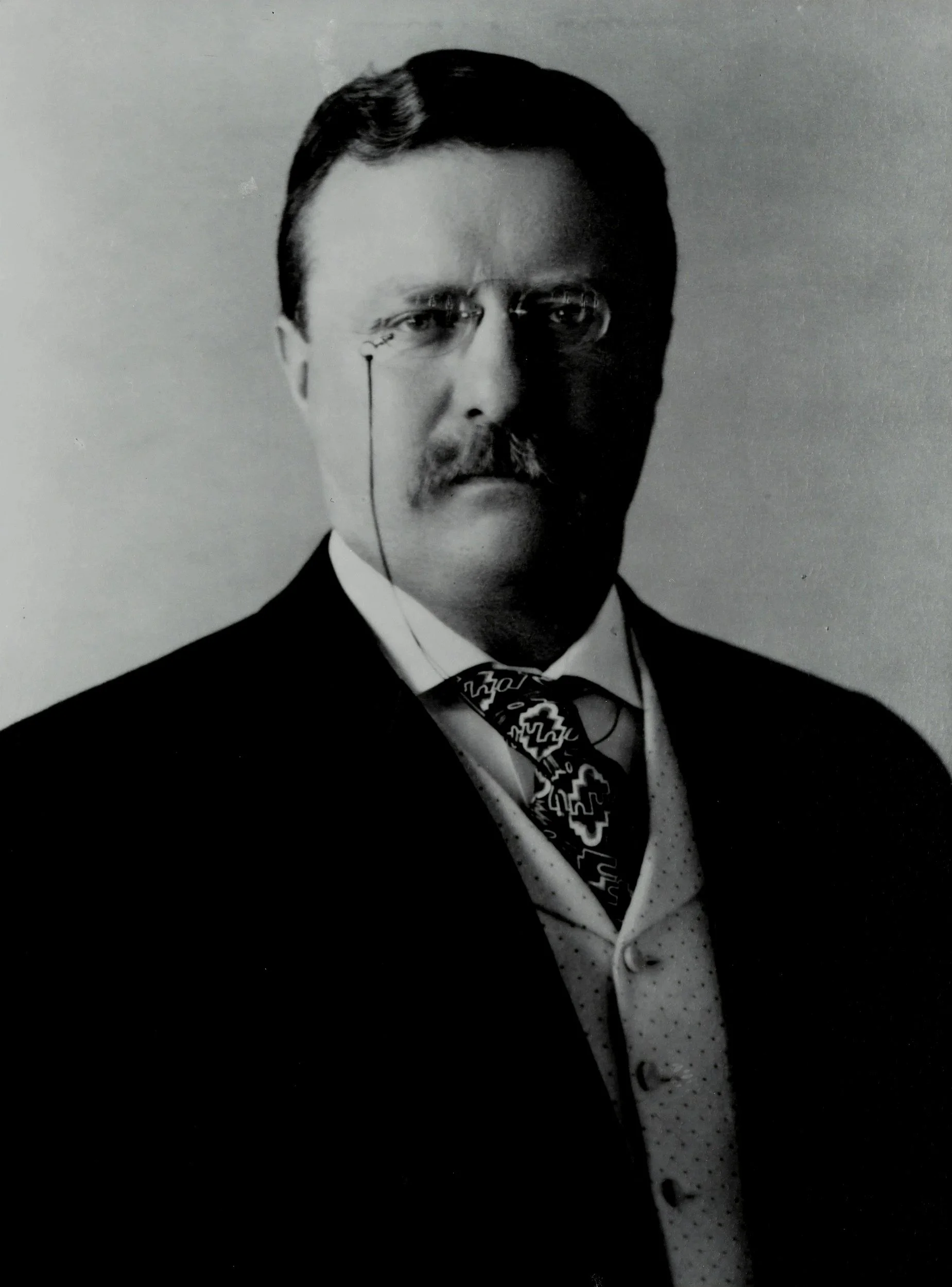
This is a quote from a speech given by Theodore Roosevelt in 1910. It may resonate with you as to why you became a first responder in the first place, and may help you settle within yourself why you should lead, despite the downsides you will encounter.
"It is not the critic who counts; not the man who points out how the strong man stumbles, or where the doer of deeds could have done them better. The credit belongs to the man who is actually in the arena, whose face is marred by dust and sweat and blood; who strives valiantly; who errs, who comes short again and again, because there is no effort without error and shortcoming; but who does actually strive to do the deeds; who knows great enthusiasms, the great devotions; who spends himself in a worthy cause; who at the best knows in the end the triumph of high achievement, and who at the worst, if he fails, at least fails while daring greatly, so that his place shall never be with those cold and timid souls who neither know victory nor defeat."

Skills, Knowledge and Abilities for a Leader
What are the key competencies a leader needs to develop to lead well?
A Duty to Self-Educate
Two things to keep in mind as you review the list below. One, a leader is self-aware. You put time into knowing what you do well and where you should develop. Two, a leader self-educates. A leader acquires the knowledge and skills they need to get the job done. Sign up for courses if they are offered, use the depth of resources that can be found online, or ask someone to teach you. Do not use the excuse that no one told you what to do.
-
I was in an administrative position when I was promoted to corporal. When I was transferred to patrol, I knew I was not up to speed on how barricaded suspect calls were now being handled. There were no courses for supervisors at this point at VPD. I dragged two members of our Emergency Response Team (ERT) into a classroom and asked them to give me a lesson on a whiteboard. Then, when I started with my new team, I had a former ERT member ride with me to be my "field trainer" until I believed I had the competencies needed to keep my team safe when running high risk calls.
-
Know what your team is meant to accomplish
-
Observe what the dynamics are and then build a positive team
-
Communicate what behaviour you won't tolerate, and then, one-on-one, stop someone who does not comply.
-
Communicate with the team about what is going on both inside and outside of the organization
-
Develop your team members, knowing their career goals
-
Change is a constant in first responder work. A leader needs to be able to implement change well.
-
You will likely not have enough staffing or resources to do all you are asked to do. Managing annual leave sign-up, day-to-day staffing, sick and training leave is the first skill set to acquire. This only gets more complex as you go further in the organization. Arguably, this is management versus leadership, but its importance to preventing organizational stress and burnout for your people makes it an important priority.
Coaching
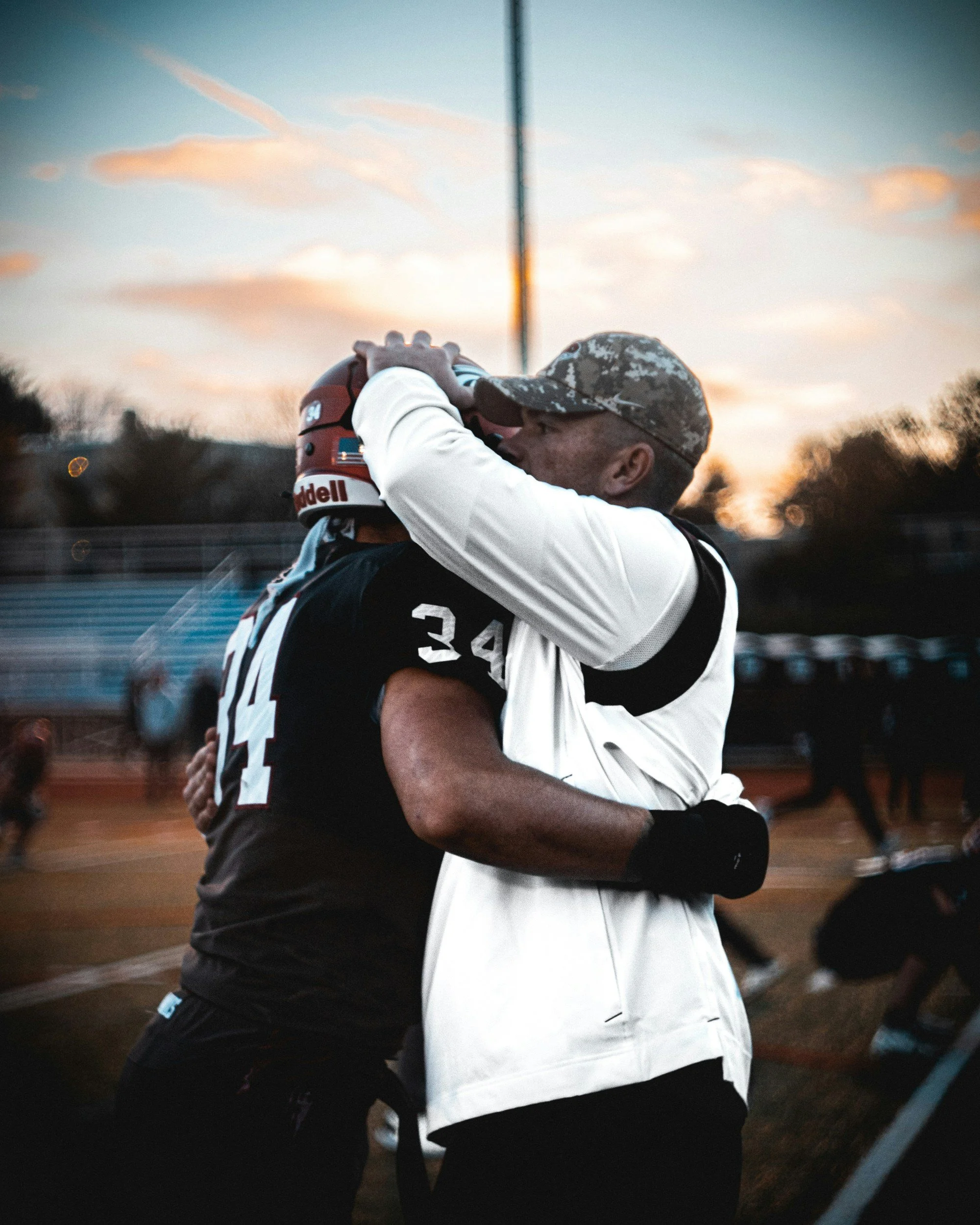
In the world of athletics, the coaching relationship is crystal clear. The coach is there to put the athlete through workouts, workshops, and drills to hone that person's skills and make them the best at their sport. Even top athletes still use the services of a coach, someone watching from the sidelines who is able to provide feedback about the athlete's performance.
Our members' development can be greatly enhanced by coaching. A couple of points for a leader who takes on this role:
To make a coaching "pill" easier to swallow, the coach needs to provide a lot of positive encouragement, so that the words about how to develop are easier to hear.
Coaching works when the relationship is clear. I have said to talented members, would you be open to some coaching because I can see your potential. I have also made the mistake of trying to coach someone who didn't want my feedback.
Your members are in a 30-year marathon of a career. Work with them to see what they want to do in both the short and in the long-term. Help them develop their own plan for achieving their goals. Help them become self-sufficient leaders.
Make it two-way: With some members who you trust, ask them for feedback about your leadership and coaching. We are all learning until the day we hang up our uniform.
Risk Management

You are part of an organization that requires that its members take on risk. Our organizations use policy and training to try to minimize that risk. Both management and leadership skills are needed to do this well.
Reducing the risk for members:
Create an ongoing risk management plan. Gather input from your team setting out what the current risks your members are dealing with.
One area of focus needs to be on individual members. Put in place indicators to tell you if a member may be in need of coaching, training or intervention. Keep track of factors like sick time, overtime, complaints, car accidents, whatever might show you that someone is operating on the edge and may need help.
In our professions, the PTSD rate is about 30%. A person with advanced PTSD will often struggle to perform well. PTSD affects the ability to exercise judgment under stress. We need to watch out for and provide help for members who find themselves in this position, often simply because of the work we have asked them to do.
Hold a risk management meeting on a regular basis and review how your members are doing. Determine who and how best to support a member if a potential issue is identified.
Ensure your policies, practices and training are keeping members safe. You will find that making some of these changes may not be popular with your members.

Final Thought
First responders represent the best of us in our communities. People who will go wherever, and do whatever, to keep people they have never met safe. Over a career, this comes at a cost. We owe it our people to keep that “price tag” as low as possible by teaching members how to handle the trauma and stress of their work. We owe it our people to provide a workplace where members are supported and are given the best possible chance of staying well.
Here is the goal: A workplace where members stay well and thrive.