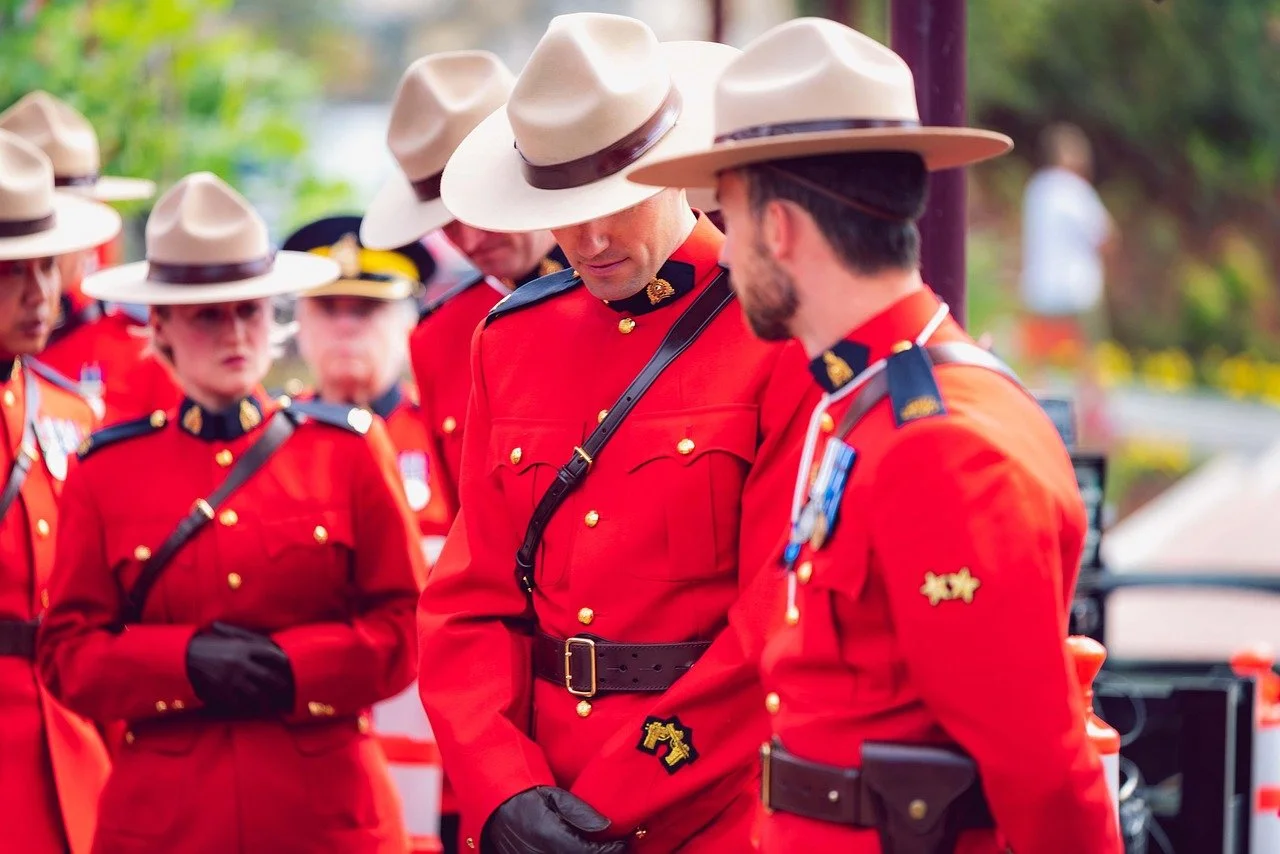
Peel Got it Right
Sir Robert Peel and his team put together the first real civilian police service – London, 1829
He and his team came up with 9 principles
My take on the key points is that:
It is far better to prevent crime and disorder than to have to investigate and arrest in the aftermath of a crime. Measuring police success is best measured by looking at the level of community safety, rather than the amount of police activity.
Police can only succeed if they have the public’s trust. They hold that by being honest and straightforward, show they care about the community and treat people with respect.
Police need to proactively communicate with all members of the public by whatever means needed (today that includes social media) in order to develop and maintain that relationship with all parts of the community.
They need to be seen to be applying the law without favour to anyone.
When the relationship is healthy, the majority of the community will voluntarily comply with laws as part of their support of the community.
Police will try to get compliance without using force, and when force becomes necessary, they will use as little force as possible.
Police should do their job and let the rest of the members of the criminal justice system, including judges, do theirs.
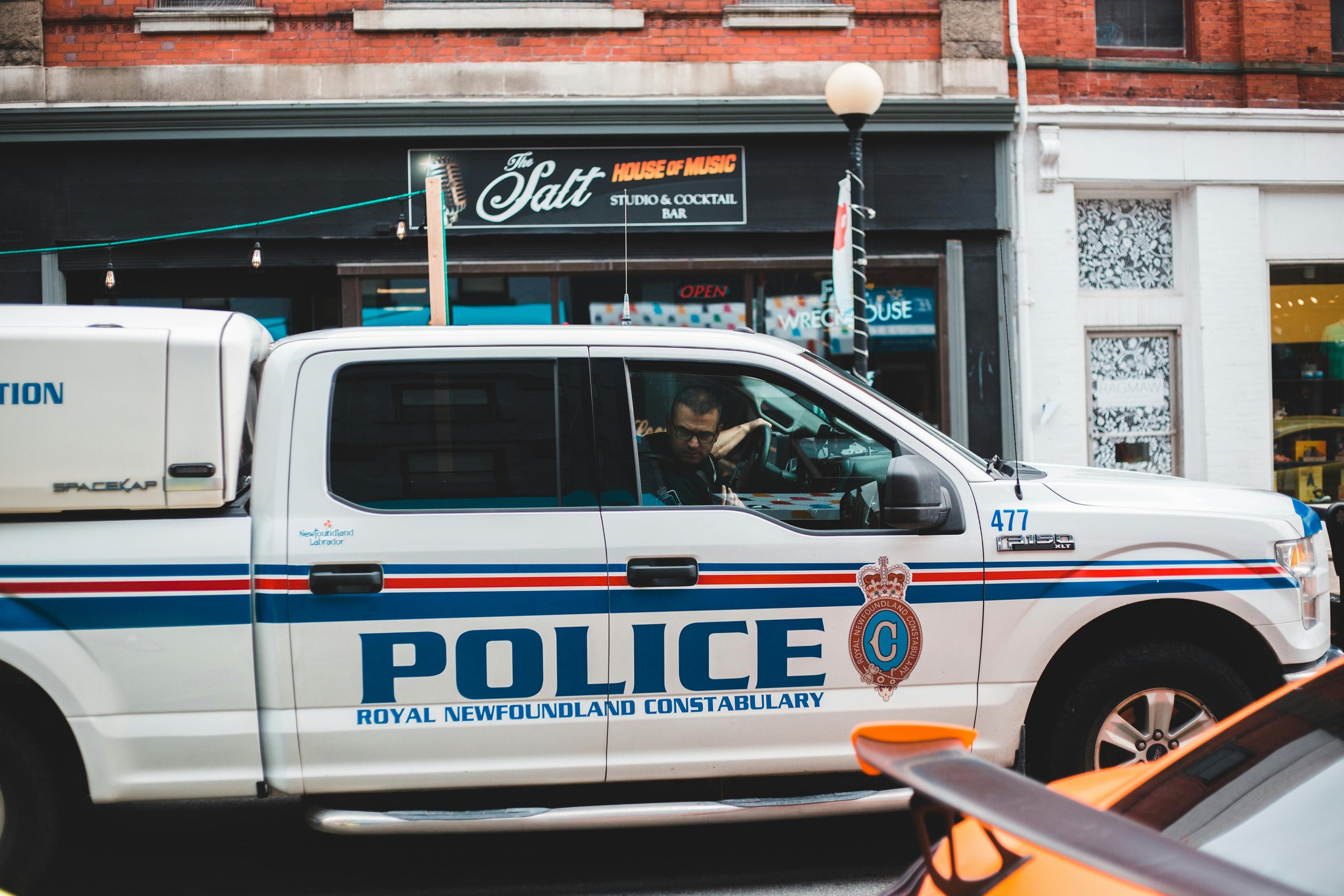
My view is that if there is one area where police leadership has not fulfilled these principles, it is the prevention of crime.
An example: The most frequent violent crime doesn’t occur on the street, it occurs in the home. What have police done to prevent intimate partner violence? Police do respond much better in Canada to an incidence of this kind of violence and do provide, in many cases, much better support for the victims. But what have we done to try to prevent one of the most pervasive and damaging crimes in our society?
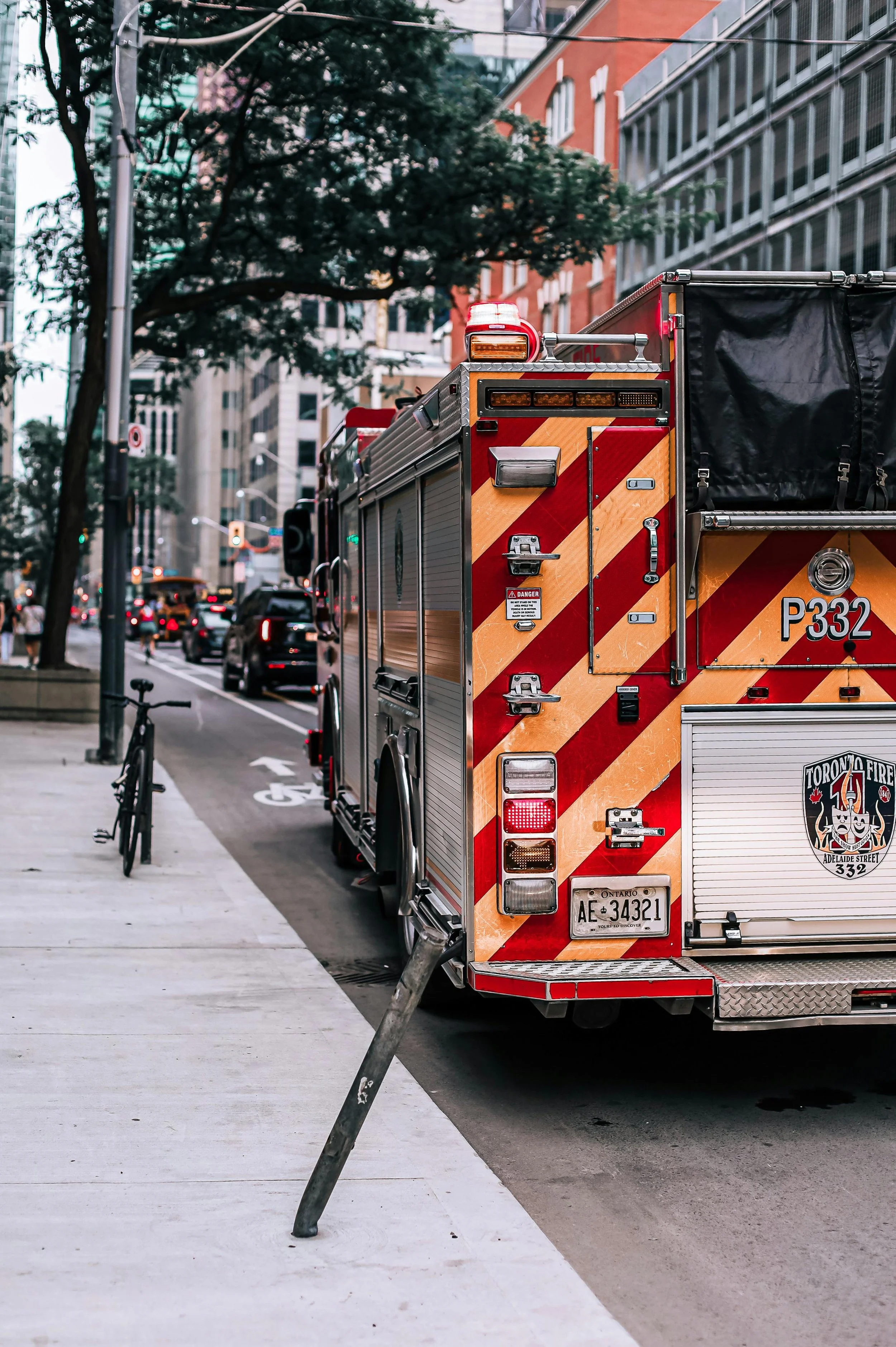
I can’t speak to how much prevention work is done in other first responder spheres. I do know that a lot of work is being done with fire codes and fire alarms and inspections. Yet I suspect that even more targeted prevention, where known risks are identified, would improve community safety. In my many decades of life, I have never had a firefighter knock on my door and ask if I could use some advice on where my smoke detectors should be placed, or if I should have a carbon monoxide monitor set up.
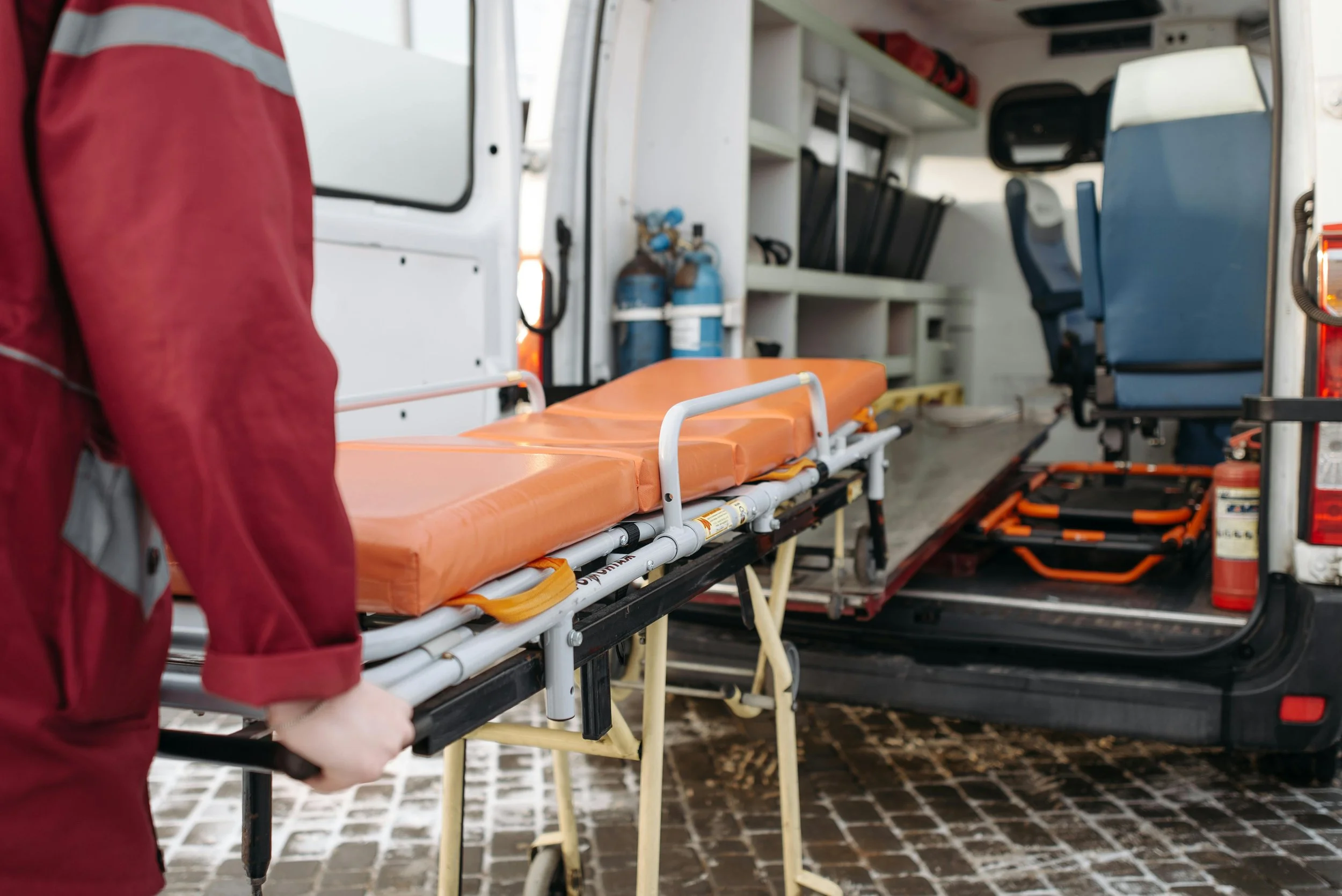
The paramedic world is perhaps even more difficult to put in place good prevention strategies. In BC, we are in the midst of a fentanyl crisis with numerous people dying everyday. Are there perhaps more strategies that our Emergency Health Services could be championing to intervene in this crisis?